
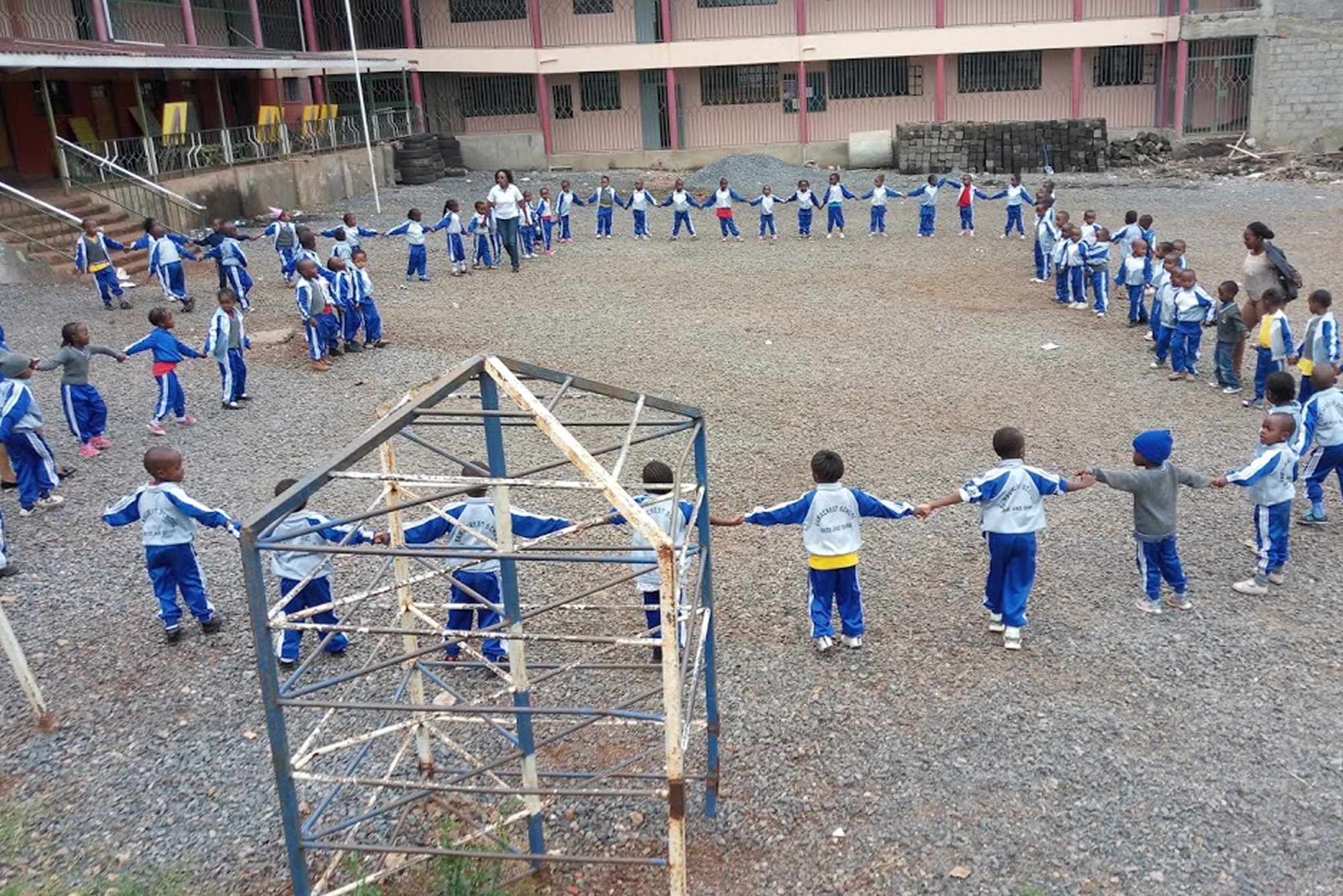
Aerobically fit children often perform better in mathematics because regular physical activity supports healthy brain function. Activities such as running, swimming, cycling, and active games improve blood flow and oxygen delivery to the brain. This may help children concentrate, remember information, and solve problems more effectively.
Exercise can also improve attention, mood, self-discipline, and classroom participation. These skills are important when learning mathematical concepts, following instructions, and completing challenging calculations. However, physical fitness is only one factor that may influence academic performance. Good teaching, regular practice, proper nutrition, enough sleep, and a supportive learning environment are also important.
Encouraging children to stay active can therefore support both their physical health and their readiness to learn.